Mahatma Gandhi Jayanti Speech in English: 10 Lines, Short Speech & Essay for Students (2026 Guide)
Delivering an inspiring morning assembly speech or writing an essay on Mahatma Gandhi (Mohandas Karamchand Gandhi) is an annual event in Indian schools every year on October 2nd (Gandhi Jayanti), celebrated globally as the International Day of Non-Violence. To help students prepare with confidence, this resource offers three structured tiers: simple 10-line sentences for primary students, an informative 10-line set for middle school, and a polished 2-minute speech script with public-speaking delivery notes for secondary students.
🕒 Verified Student Resource (2026 Edition): Graded reading levels for Class 1–4, Class 5–8, and Class 9–12 school elocution contests, including historical dates, major movements, and voice modulation cues.
Quick Facts Card: Mahatma Gandhi at a Glance
| Key Attribute | Historical Milestone |
|---|---|
| Full Name | Mohandas Karamchand Gandhi (Revered as Bapu and Father of the Nation) |
| Date & Place of Birth | October 2, 1869 in Porbandar, Gujarat, India |
| Core Principles | Satya (Truth), Ahimsa (Non-Violence), and Satyagraha (Soul-Force) |
| Major National Movements | Non-Cooperation Movement (1920), Dandi Salt March (1930), Quit India Movement (1942) |
| International Recognition | UN declared October 2 as the International Day of Non-Violence in 2007 |
| Famous Memorial | Raj Ghat in New Delhi (bearing the final words: “He Ram”) |
Set 1: 10 Lines for Primary Students (Classes 1 to 4)
Short, simple sentences easy for early learners to memorize and recite during morning assemblies:
- Mahatma Gandhi was a great leader and freedom fighter of India.
- He was born on October 2, 1869, in Porbandar, Gujarat.
- His full name was Mohandas Karamchand Gandhi.
- People lovingly call him “Bapu” and the Father of the Nation.
- He always believed in two main weapons: Truth (Satya) and Non-Violence (Ahimsa).
- He wore simple handmade khadi clothes woven on a charkha.
- He led famous peaceful marches like the Dandi Salt March to free our country.
- His birthday on October 2 is celebrated across the nation as Gandhi Jayanti.
- The United Nations also celebrates his birthday as the International Day of Non-Violence.
- We must always follow his teachings of honesty, kindness, and peace.
Set 2: 10 Lines for Middle School (Classes 5 to 8)
A well-rounded set suitable for 1-minute school speeches, English paragraphs, and classroom assignments:
- Mahatma Gandhi was the supreme architect of India’s freedom struggle, guiding the nation to independence from British colonial rule in 1947.
- Trained as a barrister in London, he first developed the method of passive resistance (Satyagraha) while fighting racial discrimination in South Africa.
- After returning to India in 1915, he transformed the freedom struggle from an elite debate into a massive people’s movement across rural and urban India.
- He championed Swadeshi, encouraging citizens to boycott foreign goods and spin their own cloth (Khadi) to foster rural self-reliance.
- In 1930, he walked 240 miles from Sabarmati Ashram to Dandi to break the British salt tax, inspiring millions to join civil disobedience.
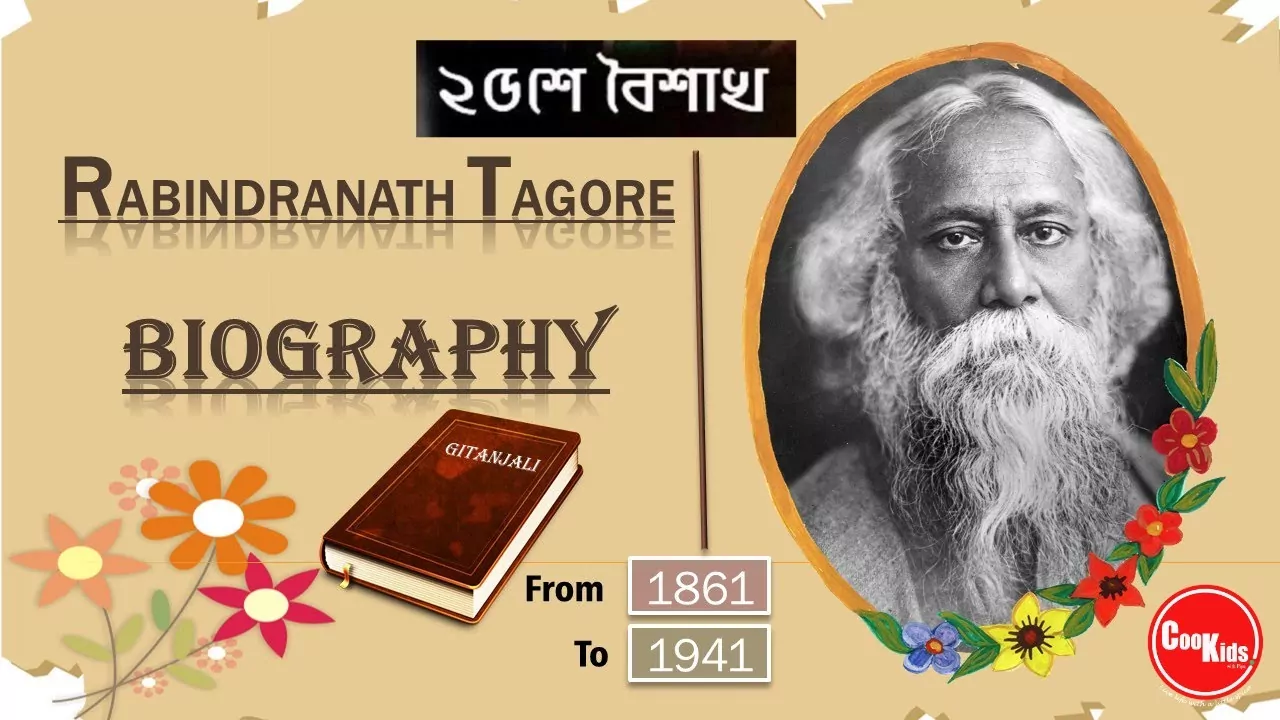
- Rabindranath Tagore bestowed upon him the venerable title of “Mahatma”, meaning “Great Soul.”
- During the Quit India Movement in 1942, Gandhi gave the nation the historic call to action: “Do or Die”.
- He strongly opposed social evils like untouchability and referred to marginalized communities as Harijans (Children of God).
- His philosophy of non-violent resistance inspired historic civil rights leaders worldwide, including Martin Luther King Jr. and Nelson Mandela.
- His life and legacy prove that unwavering truth and moral courage can defeat the most formidable empires without firing a single bullet.
Set 3: 2-Minute Speech Script for Competitions (Classes 9 to 12)
Use this script for inter-school speech competitions, debate platforms, or Gandhi Jayanti auditorium functions:
[Greeting & Opening Hook]
“Respected Principal, honorable teachers, and my fellow students, a very warm morning to you all. Today, we gather to commemorate the birth anniversary of a frail man dressed in simple khadi who challenged the might of the British Empire with two immortal shields: Truth and Non-Violence—Mahatma Gandhi.[Core Message & Context]
Born on October 2, 1869, in Porbandar, Mohandas Karamchand Gandhi did not lead armies; he led consciences. When the world believed that power came only from the barrel of a gun, Gandhi demonstrated that moral courage and peaceful resistance (Satyagraha) possessed far greater strength. From the Champaran Satyagraha to the historic 240-mile Dandi Salt March and the clarion call of ‘Quit India’ in 1942, Bapu united an entire subcontinent under the banner of Swaraj.Yet, Gandhi’s vision extended far beyond political liberation. For him, true freedom was impossible without social reform. He championed the dignity of manual labor, cleanliness (Swachhata), religious harmony, and rural self-sufficiency. He believed that the real strength of a society lies in how it treats its most vulnerable members.
[Conclusion & Call to Action]
Friends, in an era marked by conflict, polarization, and digital noise, Gandhi’s ideals are more relevant today than ever before. Let us honor his memory not just with garlands and holidays, but by practicing his timeless challenge in our everyday lives: ‘Be the change that you wish to see in the world.’Thank you, and Jai Hind!”
Public Speaking Tips for School Assembly Speeches
- Vocal Modulation: Lower your pitch and slow your delivery when delivering quotes like “Be the change that you wish to see in the world” to let the words resonate with the audience.
- Posture & Gestures: Stand upright with relaxed shoulders. Avoid fidgeting or keeping hands inside pockets; use open-palm hand gestures to convey sincerity.
- Opening Hook: Instead of rushing into standard greetings, pause for 2 seconds, look at the center of the audience, and deliver your opening line with warmth.
📖 Related School Speech Guide: Explore another freedom era icon: 10 Lines on Rabindranath Tagore in English: Short Speech & Essay for Students.